
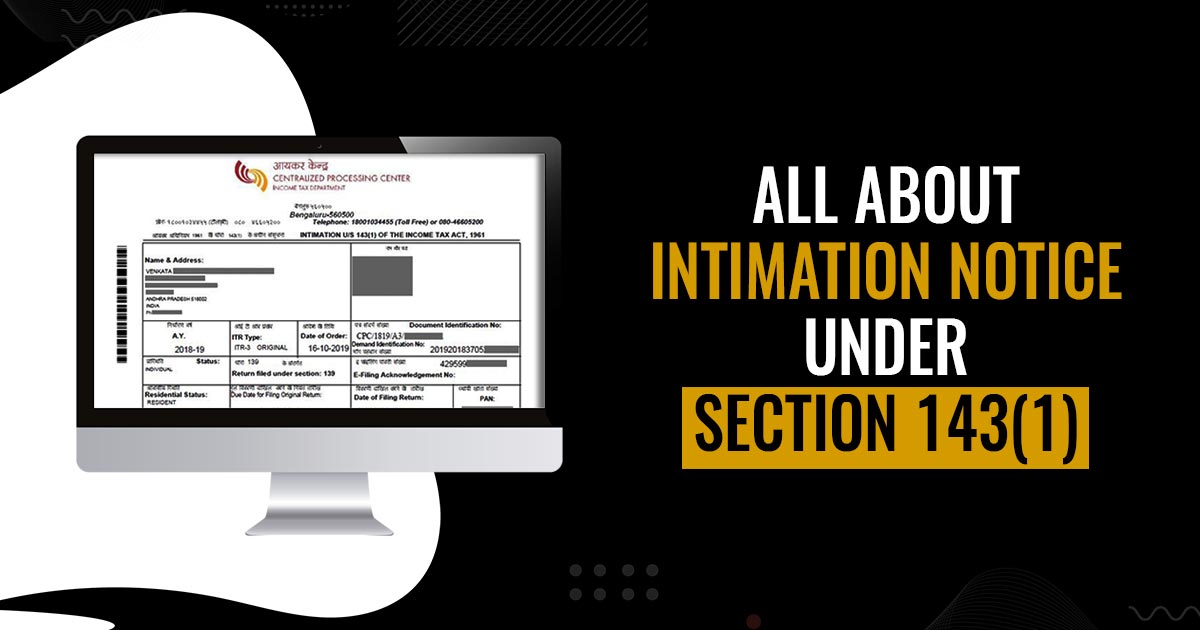
The rectification of income tax return u/s 143(1) is a process that allows taxpayers to correct errors or omissions in their original income tax return. This can be done online, and it's an essential step to avoid any penalties or legal issues. In this article, we will guide you through the step-by-step process of filing a rectification request online for rectification of income tax return u/s 143(1) in FY 2026-27.
Introduction to Rectification of Income Tax Return u/s 143(1)
The Income Tax Act, 1961, provides an opportunity for taxpayers to rectify mistakes or errors in their income tax return through the rectification process. This is governed by section 143(1) of the Act, which allows the Assessing Officer to process the return and make adjustments as necessary.
Eligibility for Rectification of Income Tax Return u/s 143(1)
Any taxpayer who has filed an income tax return can apply for rectification of income tax return u/s 143(1) if they have made an error or omission in their original return. This can include mistakes in calculation, incorrect claims, or missing documents.
Step-by-Step Process for Filing a Rectification Request Online
- Login to the income tax e-filing portal with your credentials.
- Click on the 'Rectification' tab and select 'Rectification u/s 143(1)'.
- Enter the relevant details, such as the assessment year, return type, and rectification reason.
- Upload the supporting documents, if required.
- Submit the rectification request and verify it through Aadhaar or EVC.
Know your exact tax refund
Upload your Form 16 and get an instant, accurate tax refund estimate — old vs new regime compared side by side.
Calculate My Refund FreeFor more on this, see our article on Rectification of Income Tax Return u/s 143(1): Common Problems and Solutions.
Scenarios for Rectification of Income Tax Return u/s 143(1)
There are several scenarios where a taxpayer may need to file a rectification request, such as:
- Incorrect calculation of tax liability.
- Missing or incorrect claims, such as deductions or exemptions.
- Incorrect reporting of income or expenses.
Common Mistakes to Avoid in Rectification of Income Tax Return u/s 143(1)
When filing a rectification request, it's essential to avoid common mistakes, such as:
- Incorrect or incomplete information.
- Missing or incorrect supporting documents.
- Not verifying the rectification request through Aadhaar or EVC.
Comparison of Old and New Rectification Process
| Aspect | Old Process | New Process |
|---|---|---|
| Filing Mode | Manual | Online |
| Verification | Manual signature | Aadhaar or EVC |
Related reading: Understanding Income Tax Intimation Under Section 143(1).
Recent Rule Changes in Rectification of Income Tax Return u/s 143(1)
The income tax department has introduced several rule changes in recent years to simplify the rectification process. These changes include the introduction of online filing, Aadhaar-based verification, and reduced processing time.
Practical Tips for Rectification of Income Tax Return u/s 143(1)
To ensure a smooth rectification process, follow these practical tips:
- Keep accurate records of your income tax return and supporting documents.
- Verify your rectification request through Aadhaar or EVC.
- Respond promptly to any notices or queries from the income tax department.
Key Takeaways
In conclusion, the rectification of income tax return u/s 143(1) is a straightforward process that can be completed online. By following the step-by-step guide and avoiding common mistakes, taxpayers can ensure a seamless rectification process and avoid any penalties or legal issues.
Frequently Asked Questions
What is the purpose of rectification of income tax return u/s 143(1)?
The purpose of rectification of income tax return u/s 143(1) is to correct errors or omissions in the original income tax return and avoid any penalties or legal issues.
Can I file a rectification request for any assessment year?
No, the rectification request can only be filed for the current or previous assessment year.
What documents are required for rectification of income tax return u/s 143(1)?
The required documents may vary depending on the rectification reason, but typically include the original income tax return, supporting documents, and identification proof.
How long does the rectification process take?
The rectification process typically takes a few days to a few weeks, depending on the complexity of the case and the workload of the income tax department.
Still have questions about your refund?
Skip the guesswork — upload your Form 16 and see your exact old vs new regime refund in under a minute.
Calculate My Refund FreeCan I track the status of my rectification request online?
Yes, you can track the status of your rectification request online through the income tax e-filing portal.
What are the consequences of not filing a rectification request?
Failure to file a rectification request can result in penalties, fines, or even legal action, depending on the nature and severity of the error or omission.
Can I file a rectification request for a return that has already been processed?
Yes, you can file a rectification request for a return that has already been processed, but only if you have made an error or omission in the original return.
How do I know if my rectification request has been accepted or rejected?
You will receive an intimation from the income tax department regarding the acceptance or rejection of your rectification request.
Can I appeal against the decision of the Assessing Officer in a rectification case?
Yes, you can appeal against the decision of the Assessing Officer in a rectification case, but only if you have followed the proper procedure and have a valid ground for appeal.
Further Reading
Official Resources
For the latest official information, always verify against these government sources:
- Income Tax e-Filing Portal — File your ITR, check refund status, download Form 26AS/AIS
- Income Tax India (CBDT) — Official notifications, circulars and the Income Tax Act/Rules