
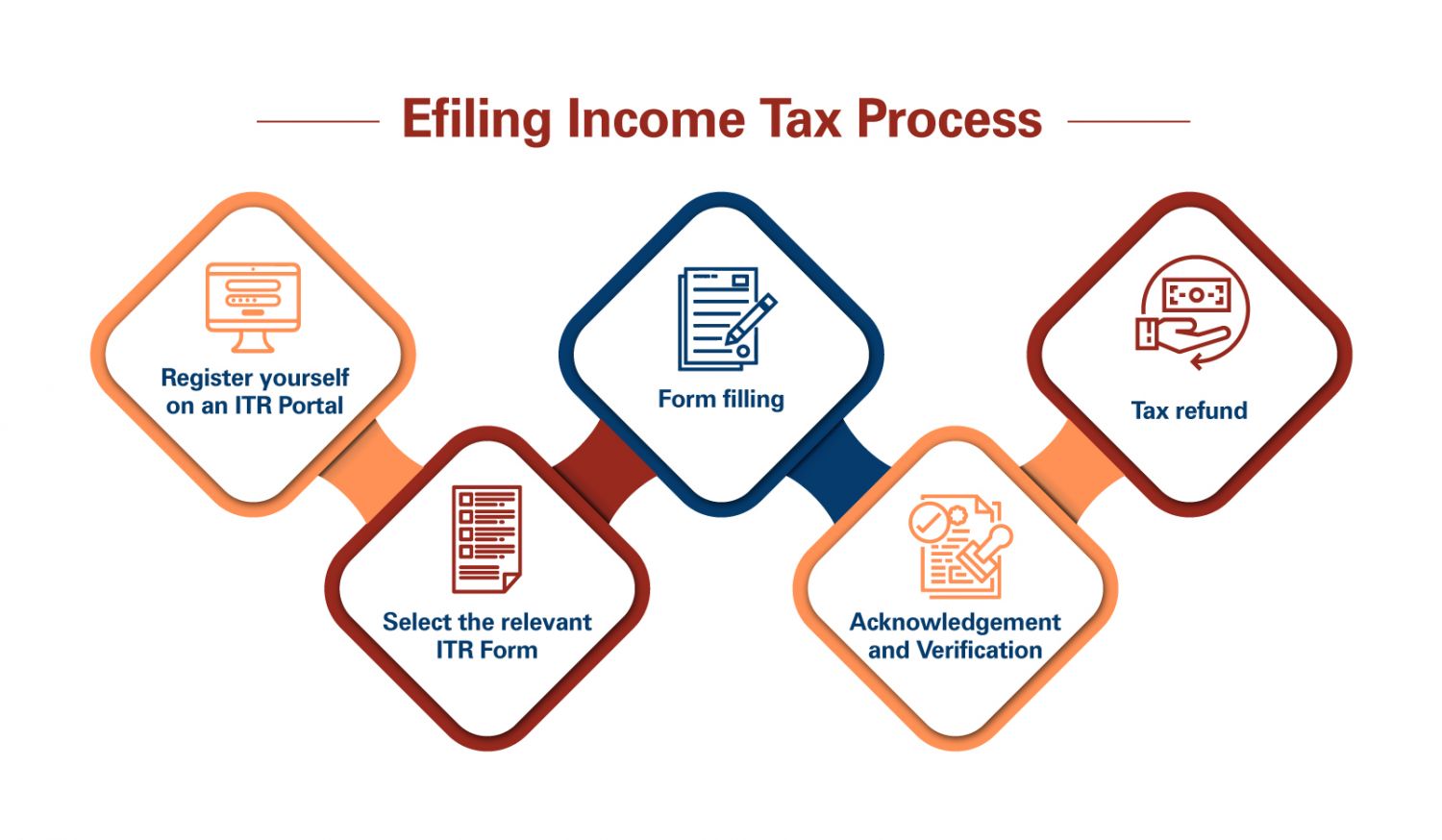
When it comes to managing your finances and complying with tax laws, understanding the concept of What Is an Income Tax Declaration is crucial. An income tax declaration is a statement that provides details about your income, deductions, and taxes paid. It is an essential document that helps the income tax department assess your tax liability. In this article, we will delve into the world of income tax declarations, exploring what they are, how they differ from income tax returns (ITR), and why they are important.
Understanding Income Tax Declaration
An income tax declaration is a document that contains information about your income, including salary, business income, capital gains, and other sources of income. It also includes details about the deductions and exemptions you are eligible for, such as deductions under Section 80C, 80D, and 80G. The declaration is usually made at the beginning of the financial year, and it helps your employer or bank to deduct the correct amount of tax at source.
You may also find our guide on Is Income Tax a Direct Tax or an Indirect Tax? useful.
Income Tax Return (ITR): What's the Difference?
An income tax return (ITR) is a document that you file with the income tax department at the end of the financial year, declaring your total income and taxes paid. The main difference between an income tax declaration and an ITR is that a declaration is made at the beginning of the year, while an ITR is filed at the end of the year. An ITR provides a detailed account of your income, deductions, and taxes paid, and it is used to calculate your final tax liability.
| Income Tax Declaration | Income Tax Return (ITR) |
|---|---|
| Made at the beginning of the financial year | Filed at the end of the financial year |
| Provides details about income, deductions, and taxes paid | Provides a detailed account of income, deductions, and taxes paid |
| Helps employer or bank to deduct correct amount of tax at source | Used to calculate final tax liability |
We've also covered this in detail here: Income Tax Slabs in India for FY 2026–27: How Many Tax Slabs Are There?.
Why Is an Income Tax Declaration Important?
An income tax declaration is important because it helps you to avoid any potential tax liabilities or penalties. By declaring your income and providing details about your deductions and exemptions, you can ensure that the correct amount of tax is deducted at source. This can help you to avoid any last-minute rush or penalties when filing your ITR.
Key Takeaways
In conclusion, an income tax declaration is an essential document that provides details about your income, deductions, and taxes paid. It is different from an income tax return (ITR), which is filed at the end of the financial year. By understanding the concept of an income tax declaration and its importance, you can ensure that you are complying with tax laws and avoiding any potential penalties or liabilities.
FAQs
What is the purpose of an income tax declaration?
The purpose of an income tax declaration is to provide details about your income, deductions, and taxes paid, which helps your employer or bank to deduct the correct amount of tax at source.
Is an income tax declaration the same as an income tax return (ITR)?
No, an income tax declaration is not the same as an income tax return (ITR). An income tax declaration is made at the beginning of the financial year, while an ITR is filed at the end of the financial year.
What happens if I don't make an income tax declaration?
If you don't make an income tax declaration, you may face potential tax liabilities or penalties. It is essential to declare your income and provide details about your deductions and exemptions to avoid any last-minute rush or penalties when filing your ITR.
How do I make an income tax declaration?
You can make an income tax declaration by providing details about your income, deductions, and exemptions to your employer or bank. You can also consult a tax professional or chartered accountant to help you with the process.
Further Reading
Official Resources
For the latest official information, always verify against these government sources:
- Income Tax e-Filing Portal — File your ITR, check refund status, download Form 26AS/AIS
- TRACES (TDS Portal) — View/download Form 26AS, Form 16A and TDS statements